


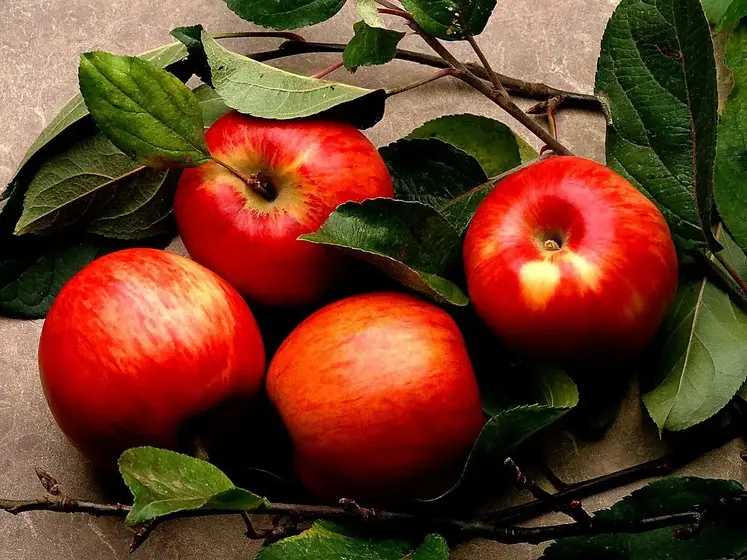


The apple is one of the most popular fruits in the world. People love it for its pleasant taste, versatility in cooking, and many health benefits. Apples are a staple in diets, kids’ meals, desserts, juices, and smoothies. But beyond the flavor, it’s important to understand how many calories are in apples and what they actually do for your body. In this article, we’ll look at the nutritional makeup of apples, their calorie content, health benefits, and who might need to be careful with them.
How Many Calories Are in Apples? A Closer Look
The number of calories in an apple depends on the type and variety. Ripeness and how it’s prepared also matter.
Here’s a breakdown of calorie content:
- Fresh apple (100 g): around 47–52 kcal
- Sweet red varieties: up to 55–60 kcal/100 g
- Tart green varieties (like Granny Smith): about 45 kcal/100 g
- Dried apples: around 240–250 kcal/100 g
- Apple juice (unsweetened): about 45 kcal/100 ml
- Baked apple (no sugar): 60–70 kcal/100 g
So, fresh apples are low in calories, making them a great choice for snacks, weight-loss diets, or simply eating healthy.
Apples: Benefits and Who Should Be Cautious
Apples are a widely available superfood. They contain over 30 beneficial bioactive compounds. The most valuable include:
- Fiber (pectin): supports digestion, helps remove toxins, and lowers cholestero
- Vitamin C: boosts the immune system, fights free radicals, and promotes tissue repair
- Potassium: supports heart function and balances fluids and electrolytes
- Flavonoids (especially in the skin): have antioxidant and anti-inflammatory properties
- Iron: essential for blood production and especially helpful for people with anemia

Apples help improve digestion, relieve constipation, act as a mild diuretic, and lower the risk of heart disease and certain types of cancer. They’re also great for oral health—the fruit’s natural firmness helps clean your teeth.
Still, despite their benefits, some people should limit or avoid apples:
- People with active gastritis or stomach ulcers: especially need to avoid sour varieties, which can irritate the stomach lining
- Those with high stomach acidity: should stick to sweeter apples
- People with irritable bowel syndrome (IBS): too much fructose and fiber may cause bloating or diarrhea
- People with diabetes: should watch portion sizes, especially with sweeter apples, and choose varieties with a lower glycemic index
Also, wash apples well or peel them, especially if they’re imported and may have been treated with chemicals for long-term storage.
How Many Apples Can You Eat Per Day?
The ideal number of apples depends on your overall diet and personal health. In general, 1–2 medium apples a day (about 200–300 g total) is a safe and healthy amount for most adults.
For kids or those with sensitive digestion, it’s better to start with half or one small apple per day.
It’s also a good idea to mix apples with other fruits to keep your diet balanced and varied.
How to Pick a Ripe, Tasty Apple
Apples make a perfect snack for anyone eating healthy or watching their weight. But choosing the right ones is key to enjoying both taste and benefits.

You may also like:


Here are some tips to help you choose the best apples:
1. Appearance
- The skin should be smooth, shiny, and free of dark spots, dents, or signs of rot.
- Color depends on the variety—green, yellow, or red—but in general, ripe apples have a rich, even tone.
- Avoid apples with a gray or waxy coating—they may have been treated with chemicals.
2. Smell
- Ripe apples have a sweet, pleasant aroma.
- If there’s no smell, the apple might not be ripe yet or could have been in storage too long.
3. Firmness
- Gently press the apple—it should feel firm but not rock-hard.
- Very soft apples may be overripe or starting to go bad.
4. Stem
- Fresh apples have a flexible, slightly green stem.
- A dry, brittle stem can mean the apple’s been stored for a while.
5. Seasonality
- The best-tasting and most nutritious apples are local, seasonal ones picked in the fall.
- Winter varieties don’t always have the same aroma but tend to store better.
Tip: Choose medium-sized apples—oversized ones, especially imports, may contain more nitrates.
Apples are an easy, affordable source of vitamins, minerals, and fiber. They support heart health, aid digestion, and help manage weight thanks to their low calorie count. But even this super fruit has its limits—so eat in moderation and pay attention to your body’s needs. Enjoy apples the smart way—and stay healthy!
Frequently Asked Questions
Does cooking change the calorie count of apples?
Yes. When apples are cooked (baked or boiled), some water evaporates, which raises the sugar concentration and calorie count per 100 g. For example, a baked apple might have 60–70 kcal, compared to 47–52 kcal in a fresh one.
Is it okay to eat apples at night, or will that affect my weight?
Eating an apple in the evening won’t harm your figure—especially if it’s your last light snack of the day. But if you have a sensitive stomach or high stomach acidity, it’s better to skip apples right before bed to avoid discomfort or heartburn.
Is it true that most of the nutrients are in the apple skin?
Yes. The skin contains flavonoids, antioxidants, and fiber. If the apple hasn’t been waxed or chemically treated, it’s best to eat it with the skin on.
Why do apples turn brown after cutting?
This happens due to oxidation, a reaction between an enzyme (polyphenol oxidase) and oxygen. To slow it down, sprinkle the cut pieces with lemon juice or store them in an airtight

 On the portal with 25.06.2023
 75 articles
 322355 переглядів
Table of contents




You may be interested:

The questions you can ask a guy when communicating can be different. The main thing is that they are suitable for a c...
 September 6, 2026
  141.0 K
Dumbbell exercises for men — 65 moves to train every muscle group at home or in the gym. This guide covers shoulders,...
July 3, 2026 32.8 K
Want to find someone online by their full name? This guide shows how to use a true people search finder – from social...
June 27, 2025 20.3 K
Turkish TV series (Turkish dizis) have become a global phenomenon — romance, family drama and crime stories with high...
September 6, 2026 16.1 K
Explore 110 authentic compliments to make a girl feel special. Find tips and phrases to compliment a girl naturally a...
July 1, 2025 14.8 K
NFTs aren’t just a trend–they’re a new way to prove ownership online. This guide breaks down what NFTs are, how they ...
July 3, 2026 10.4 K
Looking for the perfect words to add to your photo album? We’ve gathered over 70 captions for photo albums–funny, emo...
July 3, 2025 7.5 K
Today, many amateur gardeners are interested in planting blueberries and growing tall blueberries. Its delicious berr...
February 8, 2024 6.5 K
Looking to boost your income without leaving the house? From freelance gigs to content creation, this guide reveals 1...
September 6, 2026 5.6 K
Most Ukrainians have likely held euros, the currency of the Eurozone, in their hands. Everyone notices their bright c...
August 22, 2024 5.6 K⚠️ This platform does not have a Ukrainian license. The link is provided for informational purposes only. Participation in games on such sites may violate Ukrainian law.