


Often searched for:
- Як варити яйця правильно: всмятку, в круту – дієві поради для смачного приготування
- Як вибрати якісний вологий корм для котів?
- Сумісність знаків зодіаку – детальний опис та тест на сумісність
- Вітаміни та мікроелементи для підтримання імунітету
- Де знайти вірш про маму? Красиві й щирі рядки сучасних віршів українською


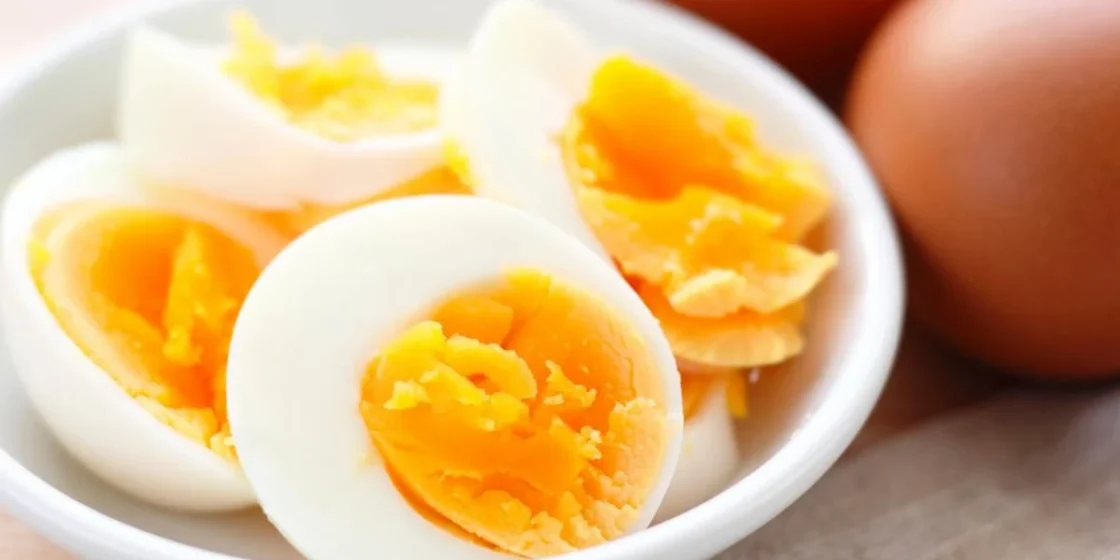
Protein is one of the most essential nutrients for the human body. It supports muscle growth, organ function, tissue repair, and a strong immune system. Whether you’re into fitness, watching your diet, or just trying to eat healthier, it’s good to know how much protein you’re getting from your food. Eggs, in particular, are a super convenient and nutritious choice that many of us eat daily — so let’s find out just how much protein they offer.
In this article, we’ll look at how much protein is in an egg, why eggs are so good for you, and we’ll include a chart with the protein content of other popular foods.
How Much Protein Is in an Egg?
A medium chicken egg (about 50 g) contains around 6–7 grams of protein, with roughly:
- 3.5–4 g in the egg white;
- 2.5–3 g in the yolk.
Egg whites are often considered the gold standard for protein: they contain all essential amino acids and are absorbed almost completely — around 98%, making them one of the best protein sources you can eat.
Why Are Eggs So Good for You?
Eggs are rich in protein, but they also deliver:
- Omega-3 fatty acids (especially in the yolk);
- Vitamins A, D, E, and B12;
- Phosphorus, selenium, and iron;
- Lecithin, which supports brain and liver health.
They also help you feel full longer, which makes them great for anyone trying to manage their weight.
Most people eat about 2 eggs per day, so here’s the average nutritional breakdown for that portion:
- Calories: ~143 kcal;
- Protein: ~13 g;
- Fat: ~10 g;
- Carbs: ~1 g.
These numbers vary depending on how the eggs are cooked. Fried eggs, for example, are the most calorie-dense.
High-Protein Foods – Table
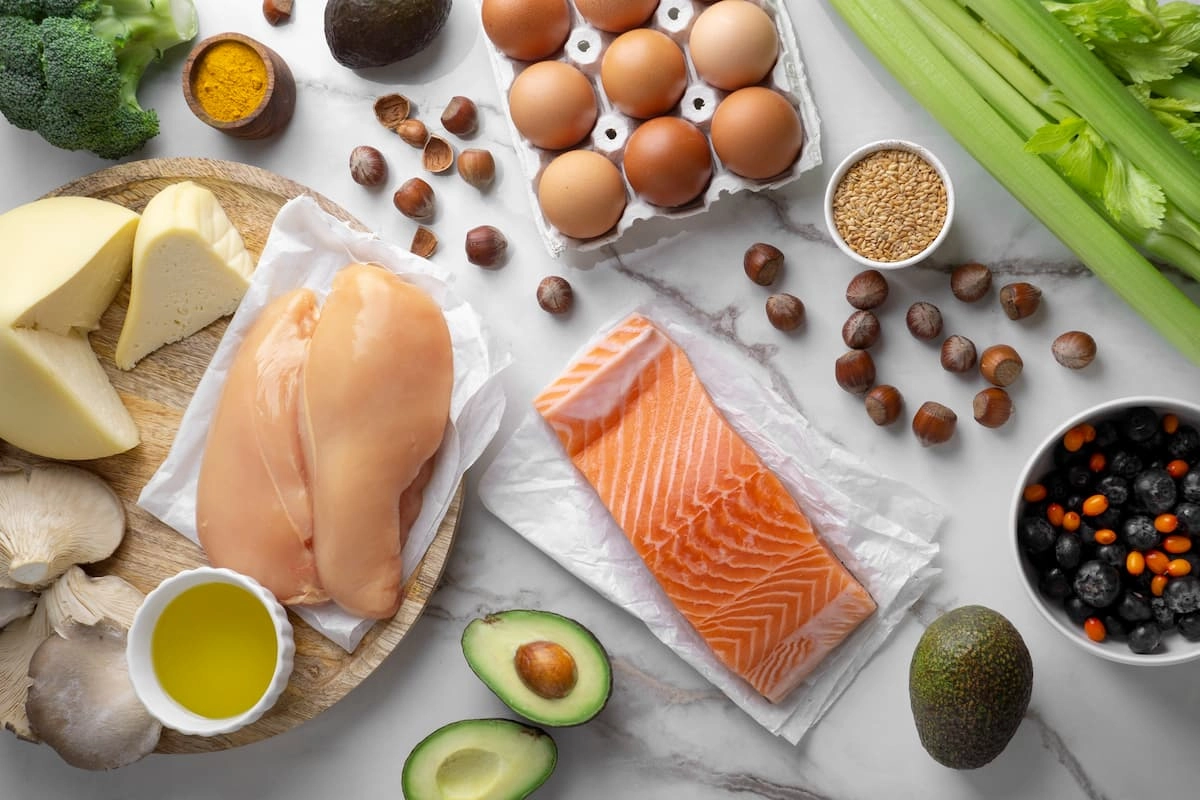
Now that you know how much protein is in an egg, let’s look at other great sources. To build a balanced and nutrient-rich diet, it’s important to mix different types of protein — both animal and plant-based. Meat, fish, dairy, legumes, nuts, and seeds all offer not only protein but also other key nutrients like iron, calcium, and B vitamins.
You may also like:


Here’s a table of popular protein-packed foods, showing how much protein they have per 100 g:
| Food | Protein (per 100 g) |
| Boiled chicken breast | 31 g |
| Pumpkin seeds | 30 g |
| Boiled beef | 26 g |
| Hard cheese (e.g. Gouda) | 25 g |
| Boiled pork | 24 g |
| Canned tuna | 23 g |
| Salmon | 22 g |
| Nuts (e.g. almonds) | 21 g |
| Low-fat cottage cheese | 18 g |
| Whole egg | 13 g |
| Egg white | 11 g |
| Greek yogurt | 10 g |
| Boiled lentils | 9 g |
| Tofu | 8–15 g |
| Boiled beans | 8 g |
This chart can help you build a varied, protein-rich meal plan.
How Much Protein Do You Need Each Day?
Daily protein needs depend on factors like your sex, age, activity level, and goals (weight maintenance, muscle gain, fat loss). On average:
- Women: 1.2–1.5 g of protein per kg of body weight;
- Men: 1.5–2 g per kg;
- Athletes/active people: Up to 2.5 g per kg.
For example, someone weighing 70 kg (154 lbs) needs about 90–140 g of protein a day.
Protein is a must-have in your diet — and eggs are one of the easiest and most effective sources. They not only keep you full but also support your muscles, brain, and immune health. Knowing how much protein is in eggs and other foods is especially useful if you’re trying to lose weight or build muscle.
By adding foods like meat, fish, legumes, and dairy to your meals, you’ll get all the essential nutrients your body needs. To stay balanced, combine both animal and plant protein sources and aim to meet your daily intake based on your personal goals.
Frequently Asked Questions
How many eggs is it safe to eat per day?
Most healthy people can safely eat 1–2 eggs a day. If you don’t have high cholesterol or heart issues, eating eggs daily is usually fine. If you have chronic health conditions, it’s best to check with your doctor.
What happens if I don’t get enough protein?
Not getting enough protein over time can lead to muscle loss, a weakened immune system, fatigue, and brittle hair and nails. You might feel constantly tired, have trouble focusing, and notice changes in your skin. For kids, protein deficiency can slow down growth and development.
Can too much protein be harmful?
Yes, having too much protein can strain your kidneys, especially if you’re prone to kidney issues. It can also lead to dehydration due to increased waste removal. Plus, overdoing protein might mean you’re missing out on important fats and carbs, throwing off your nutritional balance. In some cases, it can even lead to weight gain if you’re eating more calories than you need.
Can I get enough protein from just plant-based foods?
Absolutely. While plant protein may not be absorbed as efficiently and might lack some amino acids, the right combinations — like grains + legumes — can give your body everything it needs. Foods like soy, tofu, seeds, and nuts make it totally doable to follow a high-protein, meat-free diet.

 On the portal with 25.06.2023
  75 articles
  311184 переглядів
 Table of contents 
You may be interested:

The questions you can ask a guy when communicating can be different. The main thing is that they are suitable for a c...
 April 8, 2024
  140.8 K
Standing up straight, grip the dumbbells with a neutral grip and bring your hands down in front of your hips. Bend yo...
 August 5, 2023 32.6 K
Want to find someone online by their full name? This guide shows how to use a true people search finder – from social...
June 27, 2025 20.1 K
Turkish TV series have won the hearts of millions of viewers around the world by offering exciting plots, deep emotio...
April 8, 2024 15.7 K
Explore 110 authentic compliments to make a girl feel special. Find tips and phrases to compliment a girl naturally a...
July 1, 2025 14.5 K
NFTs aren’t just a trend–they’re a new way to prove ownership online. This guide breaks down what NFTs are, how they ...
July 2, 2025 10.2 K
Looking for the perfect words to add to your photo album? We’ve gathered over 70 captions for photo albums–funny, emo...
July 3, 2025 7.2 K
Today, many amateur gardeners are interested in planting blueberries and growing tall blueberries. Its delicious berr...
February 8, 2024 6.3 K
Looking to boost your income without leaving the house? From freelance gigs to content creation, this guide reveals 1...
July 4, 2025 5.5 K
Strength training at home can be done with resistance bands. They provide a functional alternative to deadlifts, squa...
August 5, 2023 5.1 K⚠️ This platform does not have a Ukrainian license. The link is provided for informational purposes only. Participation in games on such sites may violate Ukrainian law.
Expert recommendations and exclusive offers in your inbox.
Expert recommendations and exclusive offers in your inbox.
Access only for persons over 21 years of age
This section contains information about gambling and is available only to persons who are 21 years of age or older in accordance with the applicable laws of Ukraine. Please confirm that you are 21 years of age or older.
This platform does not have a Ukrainian license. The link is provided for informational purposes only. Participation in games on such sites may violate Ukrainian law.