

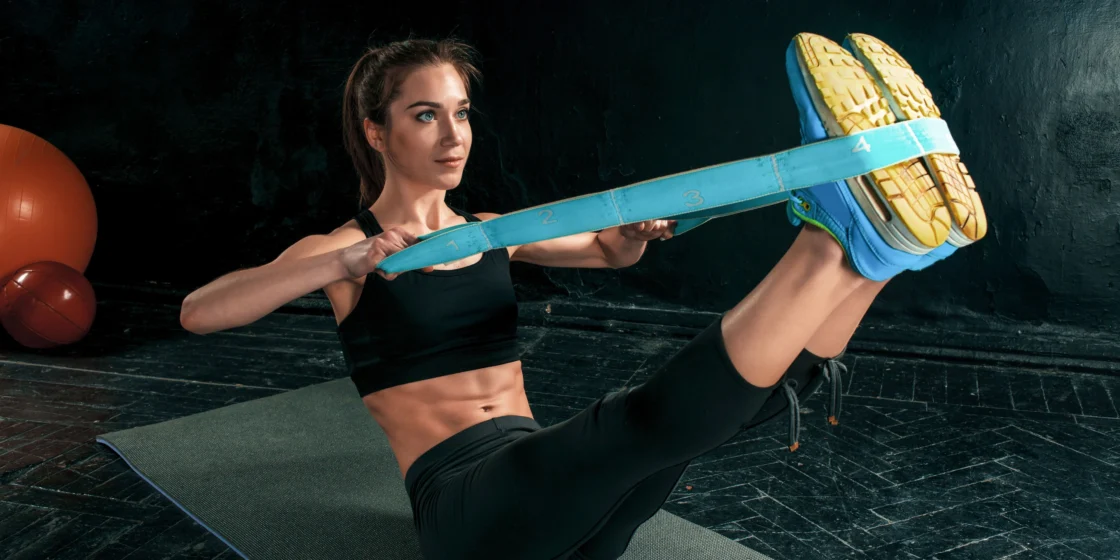
Home  HealthSports and fitnessResistance Band Workouts: Effective At-Home Training for All Muscle Groups
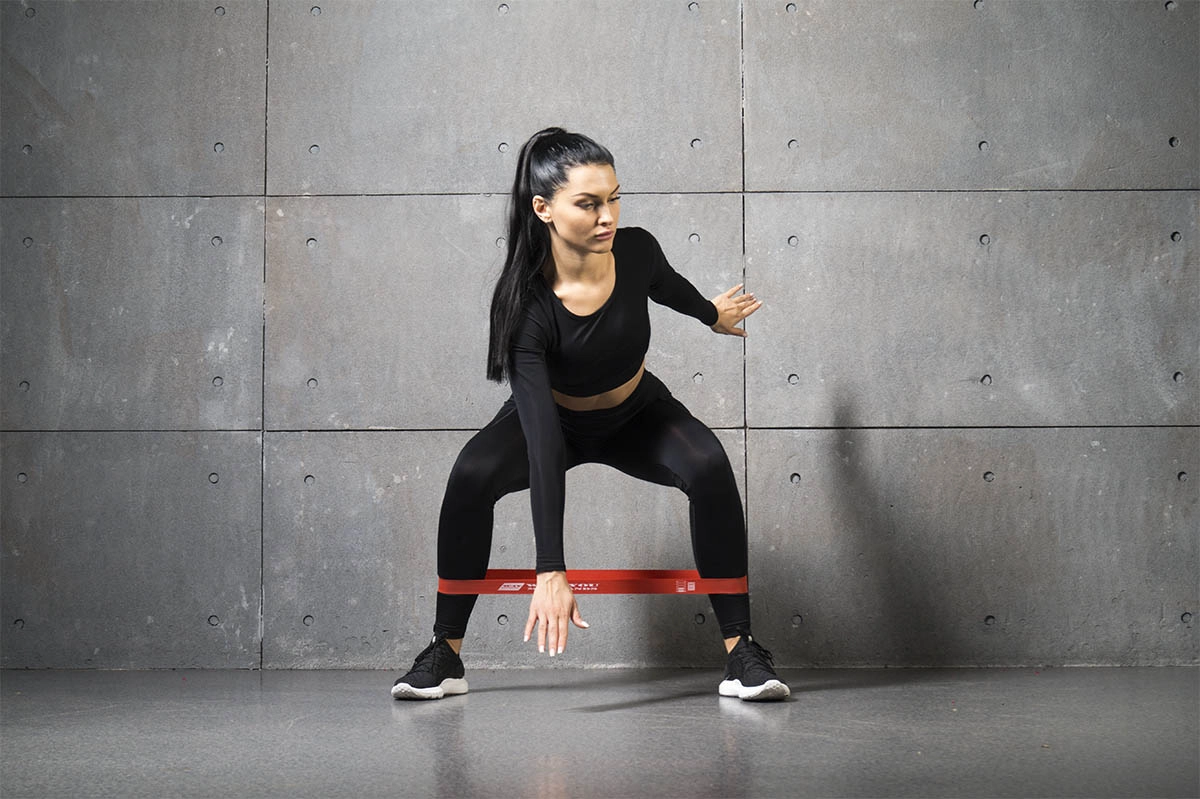
HealthSports and fitnessResistance Band Workouts: Effective At-Home Training for All Muscle Groups HealthSports and fitnessResistance Band Workouts: Effective At-Home Training for All Muscle Groups In today’s fast-paced lifestyle, not everyone has the time to go to the gym regularly. But that doesn’t mean you have to give up physical activity. One of the best solutions for home workouts is resistance bands (also known as fitness bands or exercise bands). They’re compact, affordable, effective, and suitable for both beginners and experienced athletes. You can use resistance bands for training at home or outdoors.
Resistance bands are a simple yet incredibly powerful tool for working out at home. They allow you to engage your muscles without heavy equipment, help improve body tone, increase strength and endurance. Band exercises are a convenient and affordable alternative to gym or group training.
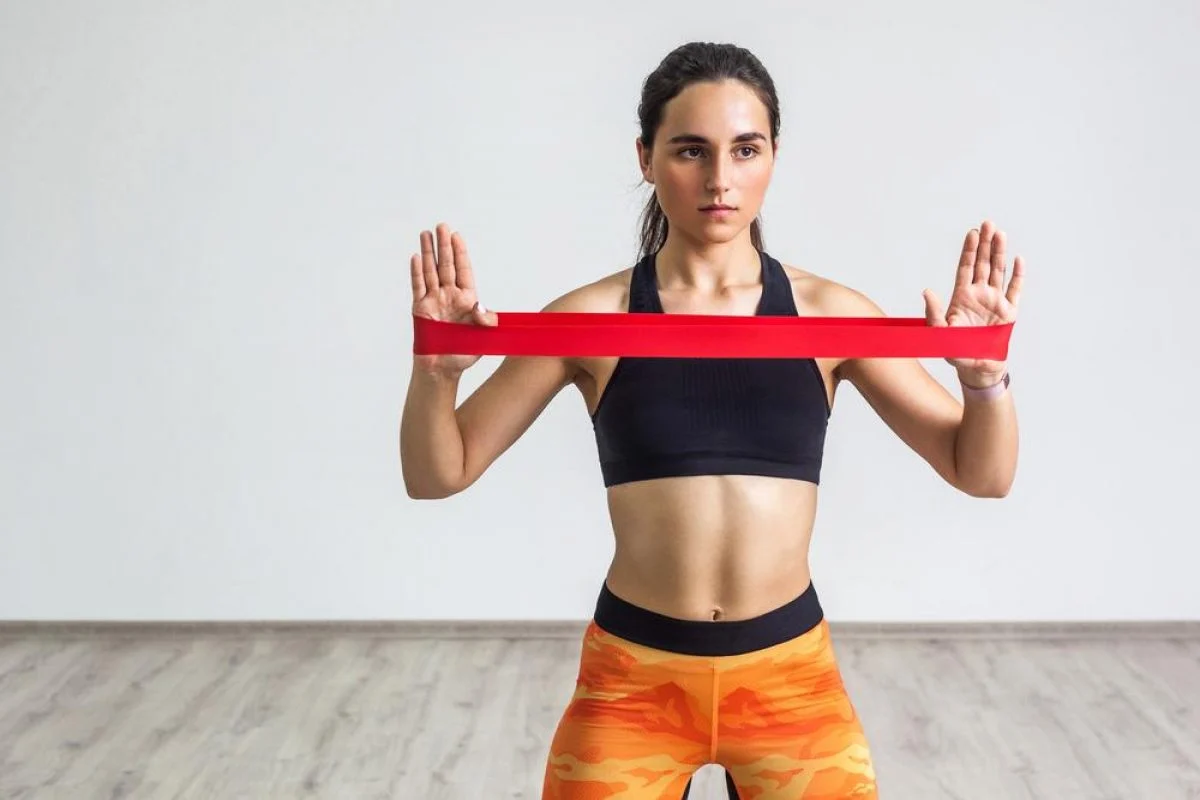
Resistance bands aren’t just a supplemental tool — they can fully replace the gym. You can create full-body resistance with dozens of exercises without bulky equipment.
Resistance bands are especially effective if your goal is a toned body, improved endurance, strength, and muscle tone. They let you safely and efficiently work every muscle group at home.
Below are effective resistance band exercises for major muscle groups. These exercises are suitable for both beginners and experienced users. Choose 1–2 exercises from each section for a full-body session or focus on different areas on different days.
Your legs are among the strongest muscle groups in the body and play a key role in daily movement. Regular resistance band exercises improve glute strength, shape, and pelvic stability.
Back muscles are often overlooked in home workouts, but they’re essential for posture and stability. Bands make it easy to target the upper and mid-back.
It’s challenging to train your chest without weights, but the right resistance band exercises can substitute for gym presses. Focus on controlled movements and squeezing the chest muscles.
Arms and shoulders define the upper body silhouette. Band exercises help build biceps, strengthen triceps, and shape the shoulders without weights.
We found an effective resistance band workout video you can follow at home. Watch and repeat!
To make your band workouts not only effective but also safe, follow these simple guidelines. They’ll help you avoid injuries and get the best results.
You may also like:
Resistance bands are a great option for anyone looking to stay in shape without the time and cost of gym visits. Just 20–30 minutes a day and a small space at home — and your body will thank you!
Yes! Bands are an excellent choice for beginners. They come in different resistance levels (light, medium, heavy), allowing you to progress gradually without injury.
You can start noticing improvements in tone, endurance, and overall well-being within 2–3 weeks of consistent training — 3–5 times per week for 20–30 minutes.
Ideally, you should have a set of 3–5 bands with different resistance levels. Wider loop bands are great for lower-body workouts, while longer tube or strap bands with handles are better for arms and back. The resistance level is usually marked on the bands.
Bands are light, affordable, space-saving, and provide constant tension throughout the movement. They’re ideal even for people with joint pain. While they don’t replace dumbbells for every exercise, they’re an effective alternative or supplement.

 On the portal with 25.06.2023
  75 articles
  311242 переглядів

The questions you can ask a guy when communicating can be different. The main thing is that they are suitable for a c...
 April 8, 2024
  140.8 K
Standing up straight, grip the dumbbells with a neutral grip and bring your hands down in front of your hips. Bend yo...
 August 5, 2023 32.6 K
Want to find someone online by their full name? This guide shows how to use a true people search finder – from social...
June 27, 2025 20.1 K
Turkish TV series have won the hearts of millions of viewers around the world by offering exciting plots, deep emotio...
April 8, 2024 15.7 K
Explore 110 authentic compliments to make a girl feel special. Find tips and phrases to compliment a girl naturally a...
July 1, 2025 14.5 K
NFTs aren’t just a trend–they’re a new way to prove ownership online. This guide breaks down what NFTs are, how they ...
July 2, 2025 10.2 K
Looking for the perfect words to add to your photo album? We’ve gathered over 70 captions for photo albums–funny, emo...
July 3, 2025 7.2 K
Today, many amateur gardeners are interested in planting blueberries and growing tall blueberries. Its delicious berr...
February 8, 2024 6.3 K
Looking to boost your income without leaving the house? From freelance gigs to content creation, this guide reveals 1...
July 4, 2025 5.5 K
Strength training at home can be done with resistance bands. They provide a functional alternative to deadlifts, squa...
August 5, 2023 5.1 KExpert recommendations and exclusive offers in your inbox.
This section contains information about gambling and is available only to persons who are 21 years of age or older in accordance with the applicable laws of Ukraine. Please confirm that you are 21 years of age or older.
This platform does not have a Ukrainian license. The link is provided for informational purposes only. Participation in games on such sites may violate Ukrainian law.