


Often searched for:
- Як варити яйця правильно: всмятку, в круту – дієві поради для смачного приготування
- Як вибрати якісний вологий корм для котів?
- Сумісність знаків зодіаку – детальний опис та тест на сумісність
- Вітаміни та мікроелементи для підтримання імунітету
- Де знайти вірш про маму? Красиві й щирі рядки сучасних віршів українською


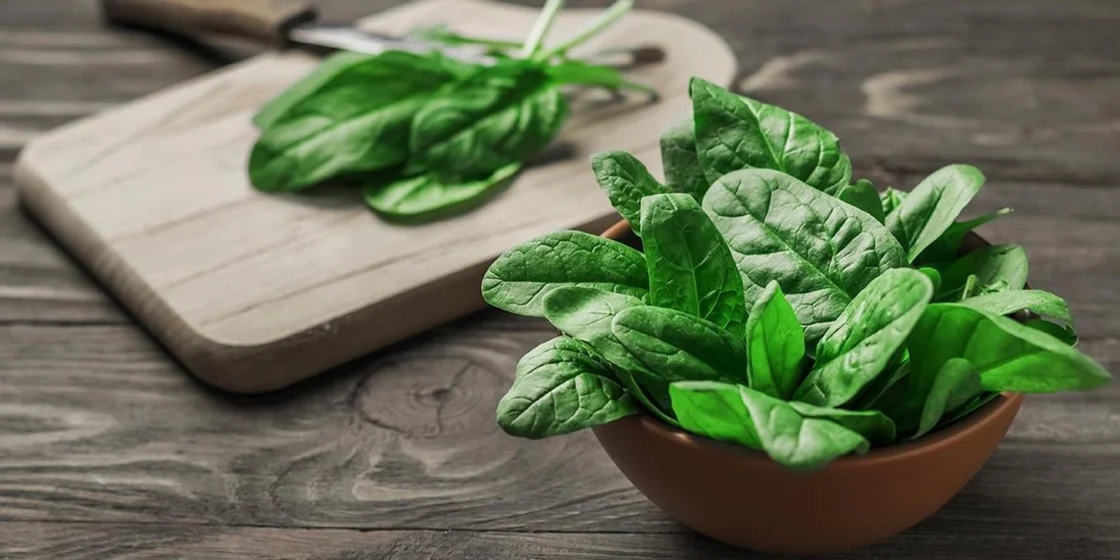
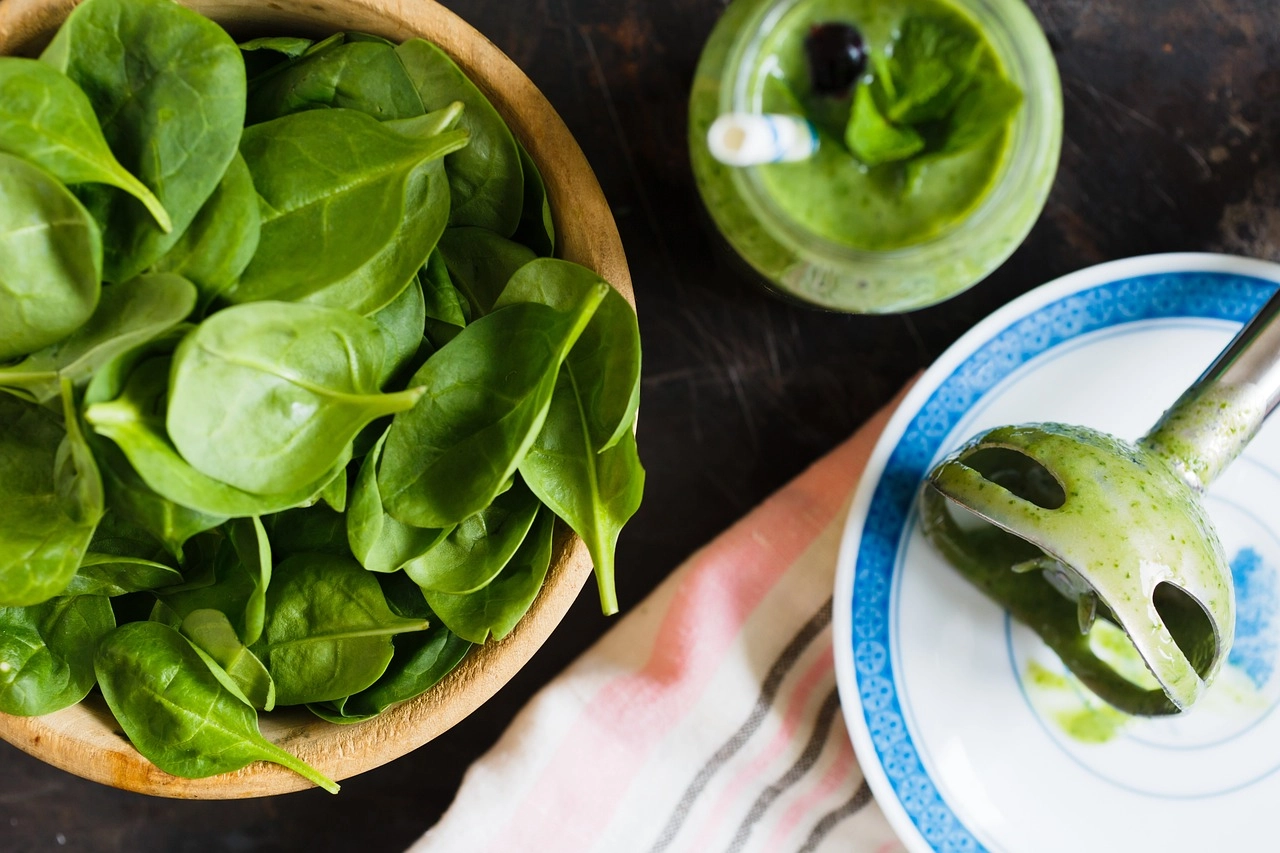
Spinach is not just a green addition to salads but a real superfood that can significantly improve your health. This leafy vegetable, often associated with the cartoon sailor Popeye, is a source of vitamins, minerals, and antioxidants. In this article, we will dive into scientific data, examine clinical studies, and explore nutritionists’ views on the benefits of spinach.
Spinach: Nutritional Value
Spinach is a low-calorie food, yet its nutritional value is impressive. In 100 grams of fresh spinach, you get:
- Calories: 23 kcal
- Protein: 2.9 g
- Fat: 0.4 g
- Carbohydrates: 3.6 g
- Fiber: 2.2 g
In addition, spinach is an excellent source of:
- Vitamins: A, C, K1, B9 (folic acid)
- Minerals: iron, calcium, potassium, magnesium, manganese
- Antioxidants: lutein, zeaxanthin, quercetin, kaempferol
Its low calorie content makes spinach ideal for diet menus, while its high concentration of vitamins and minerals makes it valuable in preventing many diseases.
How Spinach Benefits Health: A Scientific Approach
The health benefits of spinach are supported by numerous studies. Let’s review some of them.
Clinical Studies and Their Results
- Eye Health. A study published in the Journal of Nutrition showed that lutein and zeaxanthin in spinach reduce the risk of age-related macular degeneration (AMD) and cataracts. These antioxidants act like “sunscreen” for your eyes, protecting them from UV damage.
- Heart Health. In 2015, Clinical Nutrition published a study showing that regular spinach consumption helps lower blood pressure. This is due to its high potassium content, which helps flush excess salt from the body, and nitrates, which dilate blood vessels and improve circulation.
- Cancer Prevention. Spinach contains MGDG and SQDG molecules that, according to Food & Function, may slow cancer cell growth. Its high antioxidant content also fights free radicals, one of the causes of cancer development.
- Bone Health. Spinach is one of the best sources of vitamin K1, which plays a key role in maintaining bone strength. Vitamin K1 helps calcium bind to bone tissue, preventing its breakdown.
What Nutritionists Say About Spinach
Nutritionists unanimously consider spinach a valuable product. They highlight its low calories and high nutrient density.
- Proteins, Fats, and Carbohydrates (PFC): “Although spinach is not a major protein source, it can be considered an excellent addition to any diet,” says renowned nutritionist Ann Smith. “It helps balance nutrition by providing essential micronutrients without extra calories.”
Experts recommend combining spinach with sources of healthy fats (olive oil, avocado) to improve absorption of fat-soluble vitamins A, E, and K.
How Often Should You Eat Spinach: Fresh or Cooked?
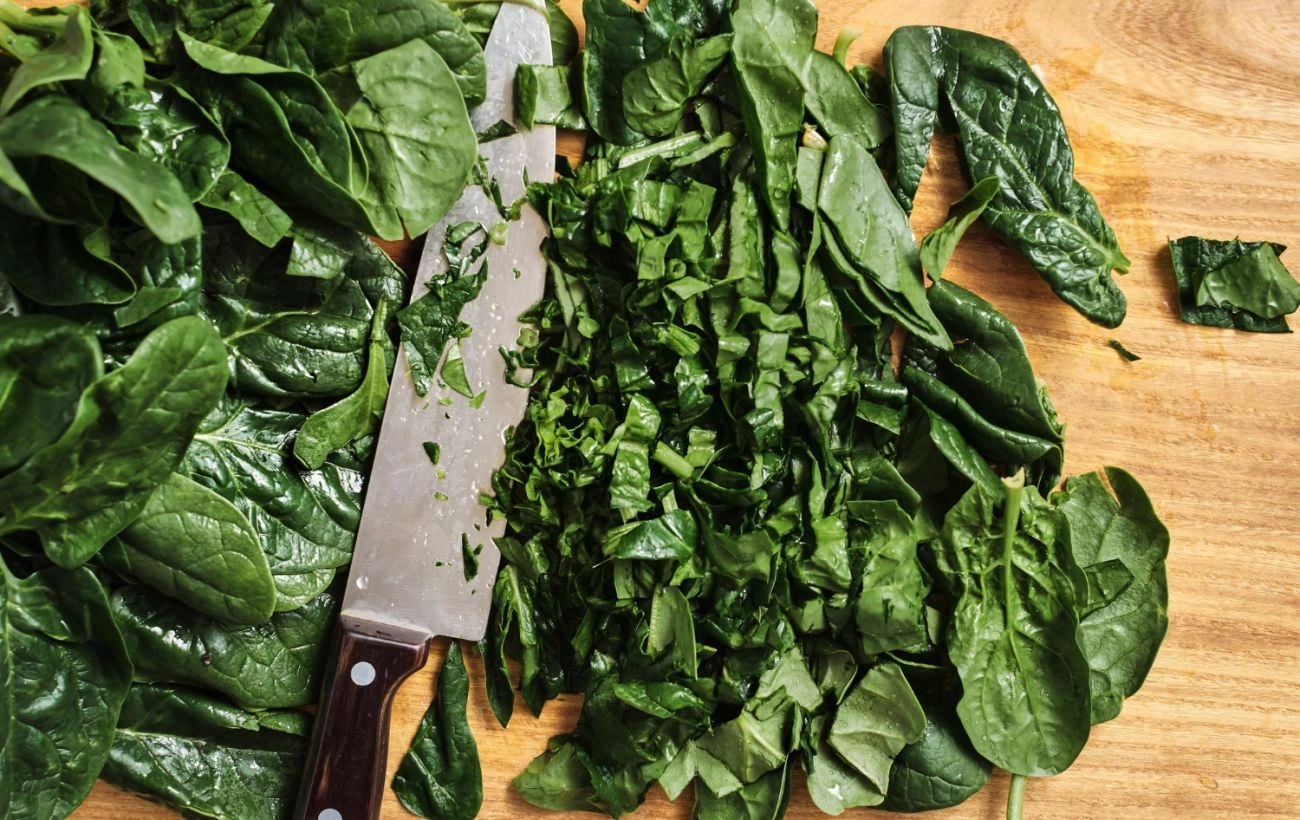
The optimal amount for adults is 2–3 servings of spinach per week (one serving is about 70–100 g). Fresh spinach preserves maximum vitamin C and folic acid. It can be added to salads, smoothies, and sandwiches.
You may also like:


Ideally, alternate between fresh and cooked spinach to get maximum benefits. Cooked spinach (steamed or sautéed) becomes more digestible, especially for iron and calcium absorption. Heat treatment also reduces oxalic acid, which can block mineral absorption.
Who Should Limit Spinach Consumption?
Despite its advantages, spinach is not suitable for everyone. Due to its high oxalic acid content, which can contribute to kidney stone formation, it should be consumed cautiously by people:
- With kidney stones or a predisposition to them.
- With gout, since it contains purines that may increase uric acid levels.
If you are unsure, consult a doctor or nutritionist before including spinach in your diet.
Spinach is a truly unique food that combines low calories with high nutritional value. Its health benefits, confirmed by scientific research, make it one of the most important elements of a healthy diet. Add this green powerhouse to your meals, and your body will thank you.
Frequently Asked Questions
Does Spinach Lose Nutrients When Frozen?
Frozen spinach retains most vitamins and minerals, especially if quickly frozen after harvest. A small loss of vitamin C is possible, but overall it remains beneficial.
Can Spinach Be Added to Baby Food?
Yes, but introduce it gradually after 8–10 months, and only in cooked form to reduce oxalic acid.
Can You Eat Spinach Every Day?
For healthy adults, daily small portions (50–70 g) are safe. The key is to balance your diet to avoid excess oxalic acid.
Should Spinach Be Washed If It Comes in a Package?
Yes. Even pre-washed and packaged spinach may contain soil residues or bacteria, so rinse well under running water before use.

 On the portal with 25.06.2023
  75 articles
  311175 переглядів
 Table of contents 
You may be interested:

The questions you can ask a guy when communicating can be different. The main thing is that they are suitable for a c...
 April 8, 2024
  140.8 K
Standing up straight, grip the dumbbells with a neutral grip and bring your hands down in front of your hips. Bend yo...
 August 5, 2023 32.6 K
Want to find someone online by their full name? This guide shows how to use a true people search finder – from social...
June 27, 2025 20.1 K
Turkish TV series have won the hearts of millions of viewers around the world by offering exciting plots, deep emotio...
April 8, 2024 15.7 K
Explore 110 authentic compliments to make a girl feel special. Find tips and phrases to compliment a girl naturally a...
July 1, 2025 14.5 K
NFTs aren’t just a trend–they’re a new way to prove ownership online. This guide breaks down what NFTs are, how they ...
July 2, 2025 10.2 K
Looking for the perfect words to add to your photo album? We’ve gathered over 70 captions for photo albums–funny, emo...
July 3, 2025 7.2 K
Today, many amateur gardeners are interested in planting blueberries and growing tall blueberries. Its delicious berr...
February 8, 2024 6.3 K
Looking to boost your income without leaving the house? From freelance gigs to content creation, this guide reveals 1...
July 4, 2025 5.5 K
Strength training at home can be done with resistance bands. They provide a functional alternative to deadlifts, squa...
August 5, 2023 5.1 K⚠️ This platform does not have a Ukrainian license. The link is provided for informational purposes only. Participation in games on such sites may violate Ukrainian law.
Expert recommendations and exclusive offers in your inbox.
Expert recommendations and exclusive offers in your inbox.
Access only for persons over 21 years of age
This section contains information about gambling and is available only to persons who are 21 years of age or older in accordance with the applicable laws of Ukraine. Please confirm that you are 21 years of age or older.
This platform does not have a Ukrainian license. The link is provided for informational purposes only. Participation in games on such sites may violate Ukrainian law.