


Often searched for:
- Як варити яйця правильно: всмятку, в круту – дієві поради для смачного приготування
- Як вибрати якісний вологий корм для котів?
- Сумісність знаків зодіаку – детальний опис та тест на сумісність
- Вітаміни та мікроелементи для підтримання імунітету
- Де знайти вірш про маму? Красиві й щирі рядки сучасних віршів українською


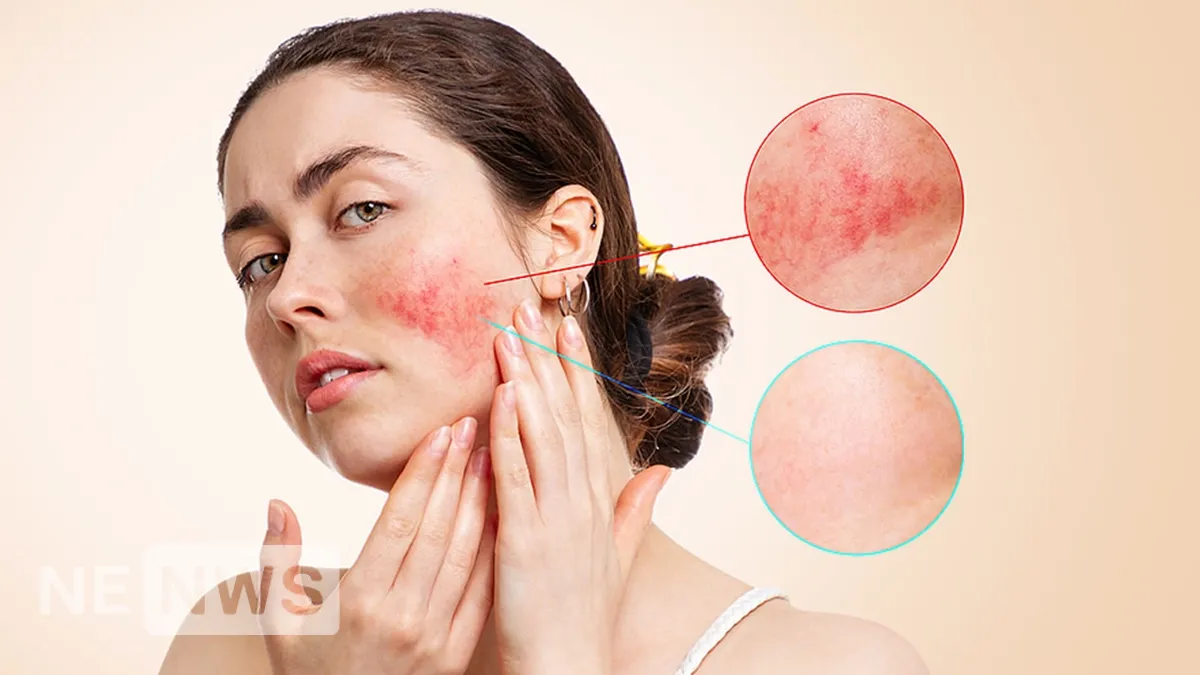
Rosacea is a chronic non-infectious skin condition affecting the face and décolleté area. It manifests as redness and rashes, spider veins, capillary networks, and swelling. The disease is challenging to treat and can recur after periods of remission, spreading to the skin of the nose, chest, areas around the eyes, and ears. Besides redness, rosacea can cause pustules and bumps on the face, which are difficult to eliminate. Hence, the disease is also known as “acne rosacea.” The symptoms of rosacea are quite unpleasant, causing physical discomfort and aesthetic issues.
What Symptoms Indicate the Onset of Rosacea?
The primary symptom of the disease is erythema – skin redness due to blood flow to small vessels. Rosacea typically occurs in men and women over the age of 30 and is accompanied by the following signs:
- Redness of the forehead, nose, cheeks, chin, neck, or décolleté area, less commonly the back and behind the ears;
- Rashes, pink bumps (papules), which can develop into pustules and acne;
- Skin thickening in areas of redness;
- Enlarged blood vessels, visible networks of red capillaries, and dark pink or red spider veins;
- Rhinophyma (bulbous nose) in men and rarely in women;
- Dryness and redness of the eyes, a feeling of burning and sand in the eyes.
Rosacea symptoms develop quite slowly. The disease starts with dilated superficial vessels, which gradually enlarge, accompanied by burning and tingling sensations. The dangerous consequences of rosacea include facial disfigurement due to skin thickening in some areas.
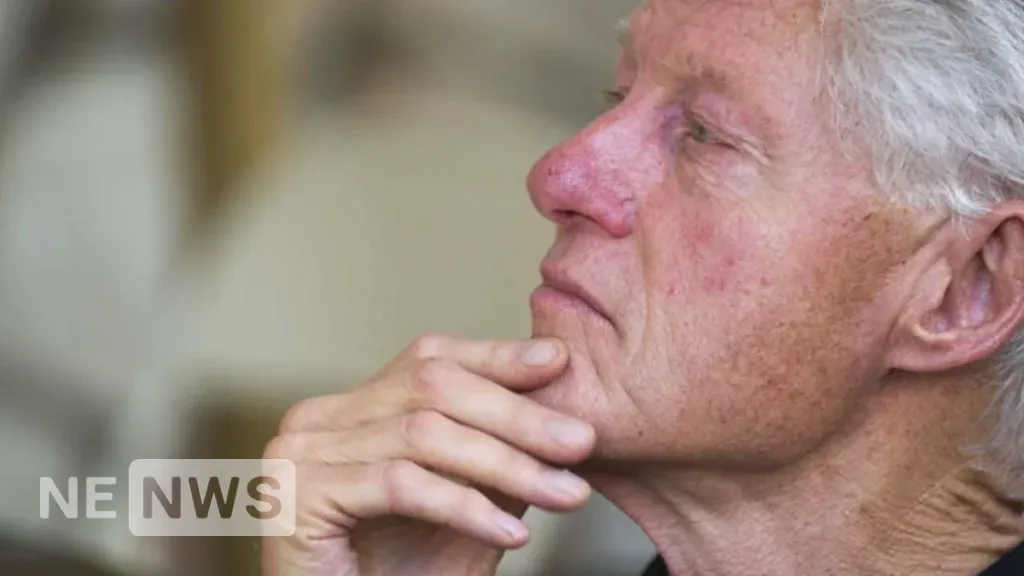
Rosacea: Symptoms Unique to This Disease
The hallmark of rosacea is that the redness does not resolve painlessly at all stages. Unlike allergic reactions that may cause only redness or dermatitis that causes itching, rosacea always has these symptoms:
- Pain;
- Itching of varying intensity;
- Burning and increased temperature at the site of redness;
- Tingling;
- Feeling of tightness and swelling.
Causes of Rosacea
The main cause of rosacea is the dysfunction of the capillaries and thin arteries of the skin of the face, neck, and décolleté area. Immune and neurovascular dysfunction, problems with vascular tone regulation, including vegetative-vascular dystonia, cause rosacea in adult men and women. Rarely, the disease is noted in children and adolescents.
Genetic predisposition is noted. People with significant photosensitivity, red-haired women with fair skin are more often affected by rosacea. Symptoms of this disease appear between the ages of 30-50. It most often occurs in people who abuse alcohol, smoke, and have an unbalanced diet. The tendency to rosacea increases in such conditions:
- Endocrine system disorders, diabetes;
- Gastrointestinal diseases, including Helicobacter pylori infection;
- Infectious skin diseases;
- Changes in immune status due to menopause, ovarian pathology, or hormone medications.
Rosacea can be triggered by corticosteroids, spicy food, and overly hot drinks.
You may also like:


It was previously believed that rosacea symptoms were caused by Demodex mites. However, this theory was not confirmed – skin analyses of patients showed no traces of subcutaneous mites.
Rosacea symptoms can also be caused by external factors: excessive sun exposure, frequent frostbite. Acne rosacea due to exogenous reasons is often found in people who work outdoors and neglect skin protection.
Video: Dermatologist on Rosacea
To learn about this skin issue firsthand and debunk myths, we recommend watching a video where a dermatologist explains rosacea in detail and clearly.
Conclusion
Rosacea is a complex chronic disease that requires a special approach to skin care and lifestyle changes. It is important to detect symptoms in time and consult a specialist to minimize symptoms and improve quality of life.
FAQ’s About Rosacea
Can You Use SPF Cream for Rosacea?
Absolutely. People prone to acne rosacea need to protect their skin from UV rays with SPF 50+ sunscreens. In winter, the sun is still quite active, and SPF 30 cream is helpful on sunny winter days. Additionally, wearing hats, scarves, or caps that cover the face and neck from the sun is recommended.
How to Prevent Rosacea?
To prevent the development and recurrence of the disease, maintain a healthy lifestyle, avoid alcohol and overly fatty/spicy foods, manage stress, avoid washing with very hot or cold water, and regularly apply sunscreens to protect against UV rays.
Can you Visit a Sauna or Bathhouse with Rosacea?
Skin with acne rosacea should avoid temperature fluctuations, so saunas/bathhouses are not recommended. Protect the skin from the sun in summer and frost in winter.
How is Rosacea Treated?
Doctors prescribe topical antibiotics, azelaic acid-based medications, and metronidazole. During treatment, avoid excessive sun exposure, abstain from alcohol, and avoid stress and temperature extremes.
Are There Medications for Rosacea?
There is no cure for rosacea. Treatment is typically symptomatic, aimed at improving vascular condition, skin care, UV protection, moisturizing, and microdermabrasion to reduce skin thickness. For ocular rosacea, eye antibiotics are prescribed to improve the condition.

 On the portal with 25.06.2023
  75 articles
  311178 переглядів
 Table of contents 
You may be interested:

The questions you can ask a guy when communicating can be different. The main thing is that they are suitable for a c...
 April 8, 2024
  140.8 K
Standing up straight, grip the dumbbells with a neutral grip and bring your hands down in front of your hips. Bend yo...
 August 5, 2023 32.6 K
Want to find someone online by their full name? This guide shows how to use a true people search finder – from social...
June 27, 2025 20.1 K
Turkish TV series have won the hearts of millions of viewers around the world by offering exciting plots, deep emotio...
April 8, 2024 15.7 K
Explore 110 authentic compliments to make a girl feel special. Find tips and phrases to compliment a girl naturally a...
July 1, 2025 14.5 K
NFTs aren’t just a trend–they’re a new way to prove ownership online. This guide breaks down what NFTs are, how they ...
July 2, 2025 10.2 K
Looking for the perfect words to add to your photo album? We’ve gathered over 70 captions for photo albums–funny, emo...
July 3, 2025 7.2 K
Today, many amateur gardeners are interested in planting blueberries and growing tall blueberries. Its delicious berr...
February 8, 2024 6.3 K
Looking to boost your income without leaving the house? From freelance gigs to content creation, this guide reveals 1...
July 4, 2025 5.5 K
Strength training at home can be done with resistance bands. They provide a functional alternative to deadlifts, squa...
August 5, 2023 5.1 K⚠️ This platform does not have a Ukrainian license. The link is provided for informational purposes only. Participation in games on such sites may violate Ukrainian law.
Expert recommendations and exclusive offers in your inbox.
Expert recommendations and exclusive offers in your inbox.
Access only for persons over 21 years of age
This section contains information about gambling and is available only to persons who are 21 years of age or older in accordance with the applicable laws of Ukraine. Please confirm that you are 21 years of age or older.
This platform does not have a Ukrainian license. The link is provided for informational purposes only. Participation in games on such sites may violate Ukrainian law.