


Often searched for:
- Як варити яйця правильно: всмятку, в круту – дієві поради для смачного приготування
- Як вибрати якісний вологий корм для котів?
- Сумісність знаків зодіаку – детальний опис та тест на сумісність
- Вітаміни та мікроелементи для підтримання імунітету
- Де знайти вірш про маму? Красиві й щирі рядки сучасних віршів українською


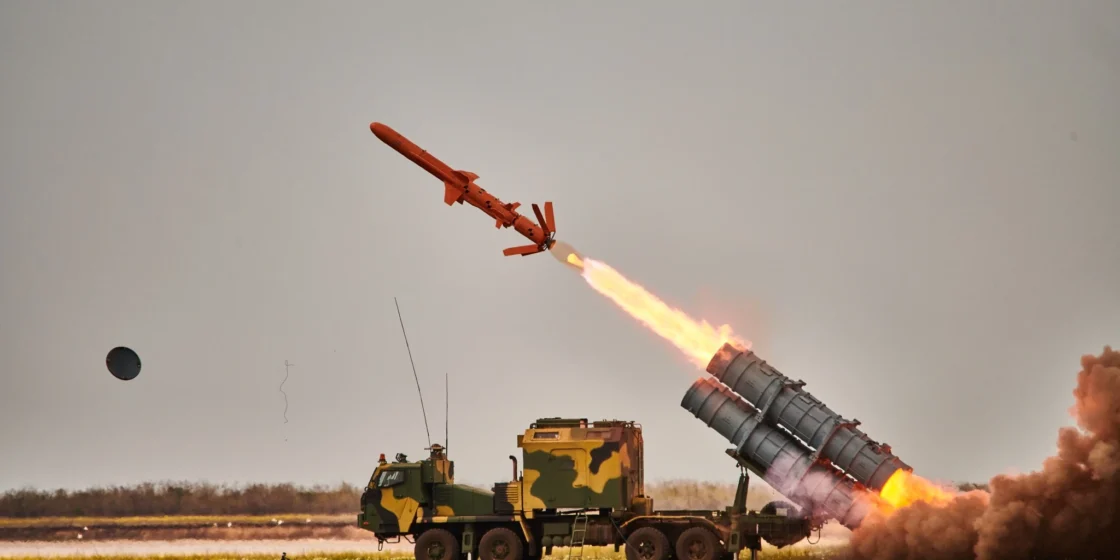
Neptune is a Ukrainian cruise missile originally built to destroy ships. It was part of a coastal defense system. But later, the missile got a serious upgrade. In 2022, it made headlines worldwide when Ukraine used it to sink Russia’s flagship cruiser Moskva. That success stunned the world. The older version had a range of about 300 km. But now there’s a new version—nicknamed “Long Neptune”—that can fly up to 1,000 km. That’s a major breakthrough for Ukraine’s missile capabilities.
Neptune Missile: Key Specs
The full name is the R-360 “Neptune.” It’s a Ukrainian cruise missile developed by the Luch Design Bureau in Kyiv.
Main features:
- Subsonic speed, weighs around 870 kg, with a warhead of ~150 kg
- Simple and reliable booster + turbojet engine setup, flying at low altitude to stay under radar
- Navigation: Inertial + active radar seeker for final targeting
- Launched from a mobile truck-based platform—fast to relocate and deploy
Neptune is part of a coastal missile system mounted on wheels. The main vehicles in the system are:
- Mobile command centers (RCP-360)
- Launchers (USPU-360)
- Transport-reload vehicles (TZM-360)
Each USPU-360 launcher carries and fires up to four missiles. The TZM vehicles handle transport and reloading. Originally, these systems were based on Ukrainian KrAZ trucks. Since the mid-2020s, they’ve been upgraded to Czech Tatra T-815-7 platforms for better mobility.
The system is highly mobile—it can move 20–25 km inland and be combat-ready just 15 minutes after stopping.
Once launched from its container, Neptune accelerates with a solid-fuel booster. Then a turbojet engine takes over for cruising. During this stage, the missile flies low using inertial navigation, which can be adjusted with GPS, GLONASS, or TERCOM to guide it toward the target zone. In the final phase, an active radar seeker locks onto the target.
What’s New in the “Long Neptune”?
The biggest upgrade is range. Official specs aren’t public, but experts believe the new Neptune carries extra fuel tanks, letting it fly much farther. Despite the extended range, the guidance system remains the same—accurate and modern.
The missile’s warhead has also been upgraded—it can now carry between 100 and 300 kg of explosives. That means it can take out more heavily fortified targets like military bases and factories.
According to intelligence sources:
- In August 2023, an upgraded Neptune destroyed an S-400 battery in Crimea.
- In July 2024, it hit an ammunition depot at the Chakyne training ground in Russia.
- On March 14, 2025, it likely struck an oil refinery in Tuapse, Russia.
Why Is Neptune Better Than Drones?
These days, Ukrainians hear a lot about drone strikes inside Russia. Drones are effective, but they have limits. Most carry only 10–50 kg of explosives—not enough to seriously damage hardened military targets.
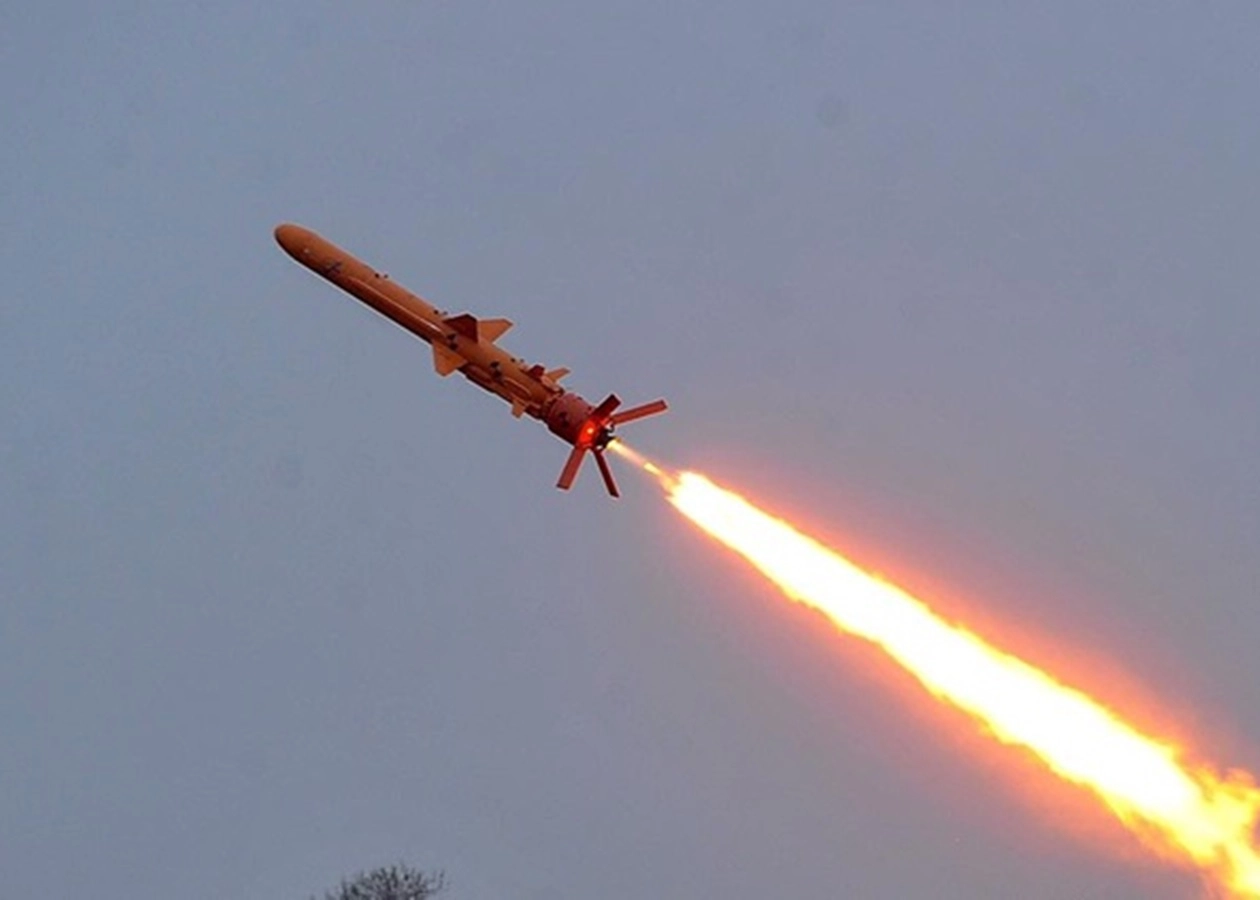
Neptune is far more powerful. It can destroy critical targets deep behind enemy lines: oil refineries, ammo depots, command centers. President Volodymyr Zelenskyy has officially confirmed that the upgraded Long Neptune has been tested and is already being used in combat.
Analysts at Defense Express believe Neptune was used in the Tuapse refinery strike. That hit didn’t just hurt Russia’s infrastructure—it shocked them psychologically. Suddenly, the Russian rear was no longer safe.
Retired U.S. Army General Ben Hodges called the Long Neptune a major development. According to him, it won’t just help Ukraine on the battlefield—it also strengthens its position at the negotiating table.
By hitting strategic targets like HQs, fuel depots, and supply hubs, Neptune weakens Russia’s ability to wage war.
Is Neptune Better Than Other Missiles?
Neptune is often compared to the American Tomahawk. But as expert Ihor Romanenko points out, this comparison is symbolic.Tomahawk is more advanced—it offers better precision, flexible targeting, and a wider range of warhead options.
But that’s not the point. The goal isn’t to copy, but to build something that works for Ukraine’s needs. Neptune already lets Ukraine:
- Strike long-range targets
- Evade enemy air defenses
- Hit high-value sites in the rear
For a country building its missile program from scratch, that’s a huge accomplishment.
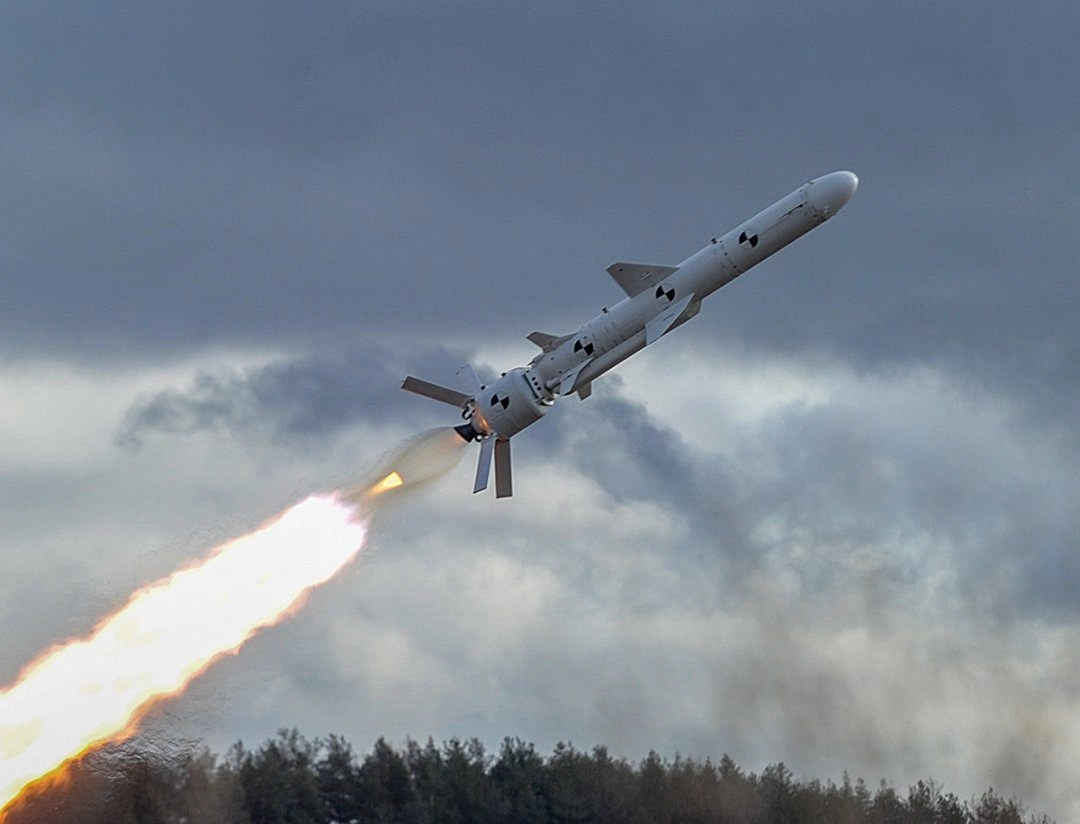
Why Neptune Matters for Ukraine’s Defense
A cruise missile like Neptune with a 1,000 km range is a game-changer.
First, it lets Ukraine hit strategic targets:
- Oil refineries
- Major ammo depots
- Command centers
- Logistics hubs
Second, it forces Russia to move air defense systems deeper into its territory. That eases pressure on the front lines and weakens the enemy’s offensive power.
Third, it gives Ukraine a psychological edge. Russian facilities hundreds of kilometers from the frontline are no longer safe. This changes not just how the war is fought—but how future peace talks might play out.
Neptune is a powerful tool on the battlefield and at the negotiating table. If Russia no longer feels safe in its rear, it may be forced to reconsider its approach.
Neptune’s Limits and Challenges
But let’s be clear—no single weapon, not even Neptune, can win the war alone.
There are challenges:
- Quantity matters. We don’t know how many missiles have been produced. A few successful strikes are just the beginning.
- Targeting systems. The missile needs precise navigation. Russia uses electronic warfare to try and throw it off.
- Production infrastructure. Ukraine doesn’t just need a missile—it needs an entire ecosystem: manufacturing, logistics, maintenance.
As one military expert put it, there’s no such thing as a “wonder weapon.” Even nukes don’t guarantee victory. What’s needed is a full system: missiles, drones, air defense, mobility, intelligence, communication.
Watch: What Makes the Neptune Missile So Effective
Neptune is one of the most successful projects of Ukraine’s defense industry. Learn more in this video:
Takeaway
Neptune shows the world that Ukrainian weapons are a force to be reckoned with. There’s still a lot of work ahead—but it’s already clear: Ukraine’s military is entering a new era. This kind of weaponry is helping pave the road to the victory we all hope for.
FAQs
How many Neptune missiles has Ukraine produced?
Exact numbers are classified. As of 2024–2025, production is happening in small batches. Ukraine is working to scale up.
How much does one Neptune missile cost?
There’s no official price. Experts estimate around $1.5 million per missile—much cheaper than Western equivalents.
Who makes Neptune?
The missile was designed by the Luch Design Bureau in Kyiv. Several other Ukrainian companies are involved in manufacturing.

 On the portal with 25.06.2023
  75 articles
  311226 переглядів
 Table of contents 
You may be interested:

The questions you can ask a guy when communicating can be different. The main thing is that they are suitable for a c...
 April 8, 2024
  140.8 K
Standing up straight, grip the dumbbells with a neutral grip and bring your hands down in front of your hips. Bend yo...
 August 5, 2023 32.6 K
Want to find someone online by their full name? This guide shows how to use a true people search finder – from social...
June 27, 2025 20.1 K
Turkish TV series have won the hearts of millions of viewers around the world by offering exciting plots, deep emotio...
April 8, 2024 15.7 K
Explore 110 authentic compliments to make a girl feel special. Find tips and phrases to compliment a girl naturally a...
July 1, 2025 14.5 K
NFTs aren’t just a trend–they’re a new way to prove ownership online. This guide breaks down what NFTs are, how they ...
July 2, 2025 10.2 K
Looking for the perfect words to add to your photo album? We’ve gathered over 70 captions for photo albums–funny, emo...
July 3, 2025 7.2 K
Today, many amateur gardeners are interested in planting blueberries and growing tall blueberries. Its delicious berr...
February 8, 2024 6.3 K
Looking to boost your income without leaving the house? From freelance gigs to content creation, this guide reveals 1...
July 4, 2025 5.5 K
Strength training at home can be done with resistance bands. They provide a functional alternative to deadlifts, squa...
August 5, 2023 5.1 K⚠️ This platform does not have a Ukrainian license. The link is provided for informational purposes only. Participation in games on such sites may violate Ukrainian law.
Expert recommendations and exclusive offers in your inbox.
Expert recommendations and exclusive offers in your inbox.
Access only for persons over 21 years of age
This section contains information about gambling and is available only to persons who are 21 years of age or older in accordance with the applicable laws of Ukraine. Please confirm that you are 21 years of age or older.
This platform does not have a Ukrainian license. The link is provided for informational purposes only. Participation in games on such sites may violate Ukrainian law.