


Often searched for:
- Як варити яйця правильно: всмятку, в круту – дієві поради для смачного приготування
- Як вибрати якісний вологий корм для котів?
- Сумісність знаків зодіаку – детальний опис та тест на сумісність
- Вітаміни та мікроелементи для підтримання імунітету
- Де знайти вірш про маму? Красиві й щирі рядки сучасних віршів українською


All of us have, at some point, postponed important tasks—”starting Monday,” “next month,” or “when I’m in the mood.” That might seem harmless at first. But when putting things off becomes a habit, we face a phenomenon known as procrastination. It’s not just laziness — it’s an inner conflict that affects our efficiency, emotional well-being, and overall quality of life.
In this article, we’ll explore what procrastination really is, why it happens, and how to beat it — both on your own and with professional advice.
What Is Procrastination and How Does It Show Up?
Procrastination is the conscious or unconscious delay of important tasks, responsibilities, or decisions — even when we know it will lead to negative consequences. A person who procrastinates is often busy doing something else — less important, but more pleasant or easier.
Signs of procrastination:
- Delaying the start of tasks
- Constantly shifting attention to minor things
- Feeling guilty, anxious, or stressed about undone tasks
- Chronic dissatisfaction with oneself
- Decreased productivity and a sense of being stuck
Procrastination is something everyone experiences from time to time, but it’s important not to let it become long-term. It’s not always about “not wanting” — more often, it’s about an internal conflict: a desire to act vs. the emotional inability to begin.
It’s crucial to understand that procrastination isn’t a character flaw — it’s a symptom of deeper internal processes.
Why Does Procrastination Happen?
Procrastination doesn’t appear “out of nowhere” — it has psychological roots. To deal with it effectively, you need to understand where it comes from. Below are the most common reasons we avoid action, even when we know a task is important.
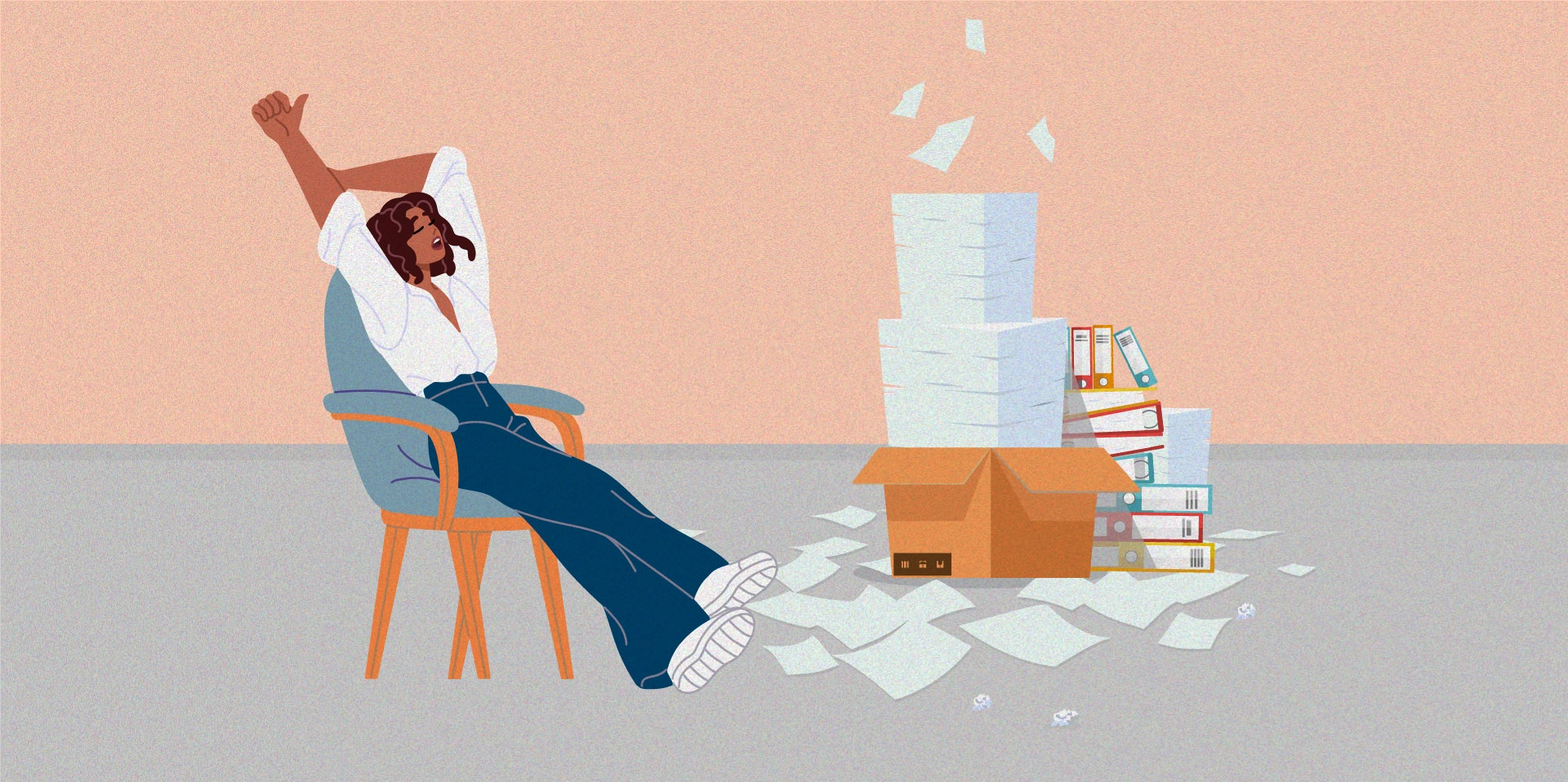
Main causes of procrastination:
- Fear of failure. People avoid tasks because they subconsciously fear making mistakes or not living up to expectations. This fear can be paralyzing and leads to postponing even the smallest steps to avoid risk.
- Idealism and perfectionism. The urge to do everything perfectly often leads to doing nothing at all. It feels like “it’s not the right time yet,” “I need to prepare more,” or “I’ll start when I’m 100% ready.”
- Lack of motivation or meaning. When a task doesn’t feel personally important or lacks a clear purpose, the brain doesn’t see a reason to invest energy in it.
- Feeling overwhelmed. Big or complex tasks feel too hard, and it’s unclear where to start. This creates anxiety, so people put things off to avoid discomfort.
- Internal resistance. Procrastination can be passive resistance — like when a task is imposed by someone else (a boss, parent, or system), and the person resists it subconsciously, even if they’ve agreed on the surface.
- Fatigue and emotional burnout. When your resources are low, even simple tasks feel impossible. Procrastination becomes a defense mechanism — the brain tries to conserve energy.
- Nervous system traits. For example, people with high anxiety or ADHD often struggle with concentration and starting tasks.
As you can see, the causes of procrastination vary — from mental patterns to physical exhaustion. Instead of blaming yourself, try to identify what’s holding you back.
How to Overcome Procrastination on Your Own — Psychologists’ Tips
Although sometimes procrastination requires in-depth therapeutic work, most cases can be handled with the right self-help strategies. Psychologists recommend proven techniques that help regain control of time and reduce emotional stress.
You may also like:

10 Effective Tips from a Psychologist
- Awareness. Start by observing yourself. When exactly do you put things off? What tasks do you resist? Identifying your “triggers” helps you change how you react.
- Pomodoro Technique. The concept is simple: 25 minutes of work — 5 minutes break. This reduces performance pressure and helps you begin. Even if you’re only planning to work “a few minutes,” you often get into the flow.
- Break tasks into small steps. Instead of “write term paper,” try “open document,” “write introduction,” “gather sources.” This way, your brain won’t perceive the task as a threat.
- Set real deadlines. Internal deadlines are easy to ignore. Put them in your calendar and set reminders. Even better — tell someone else to check in on your progress.
- Eliminate distractions. Use website blockers, “Do Not Disturb” mode, instrumental music with headphones — whatever helps you stay focused.
- Reward yourself. Motivation increases when there’s positive reinforcement. For example: after writing a section — enjoy coffee, watch a show, take a walk.
- Challenge limiting beliefs. Reframe your self-talk: “I can’t do it” → “I’ll do at least part of it”; “I have no energy” → “I’ll try for 10 minutes.” This gradually reshapes your mindset.
- Leverage your environment. Ask a friend or coworker to work with you, even online. Social support often boosts accountability.
- Work during your energy peak. Figure out when during the day you have the most energy — and schedule hard tasks for that time.
- Seek help if needed. If procrastination is chronic, lowers your quality of life, or causes anxiety or apathy — don’t hesitate to consult a professional. It’s not weakness, it’s self-care.
Remember: Procrastination is a signal for change. If stress is a core cause of your procrastination, we recommend reading about art therapy — a powerful tool for emotional relief.
Procrastination isn’t just a “bad habit” — it’s a way our psyche protects itself from internal challenges. But it can be managed — through self-awareness, building new habits, and taking a realistic approach to tasks.
No one is perfect or always productive. But anyone can learn to manage their time better and reduce the pressure that keeps them stuck. Take that first step today — and you’ll see changes not only in your productivity, but in how you feel inside.
Frequently Asked Questions
Is Procrastination Harmful in the Short Term?
In the short term, procrastination may seem harmless — even like a break — but it often leads to task buildup, stress, last-minute rush, and poor results. It also forms a habit of avoiding responsibility.
What’s the Difference Between Procrastination and Regular Rest?
Rest is a conscious choice to recharge, while procrastination is avoiding action due to internal discomfort. After rest, we feel better; after procrastinating — usually guilty and tense.
Can People Procrastinate on Things They Enjoy?
Yes, procrastination isn’t limited to work or obligations. People postpone even enjoyable things — like travel, hobbies, or social plans — if they fear change, feel uncertain, or doubt themselves.

 On the portal with 31.03.2023
  2 articles
  838 переглядів
 Table of contents 
You may be interested:

The questions you can ask a guy when communicating can be different. The main thing is that they are suitable for a c...
 April 8, 2024
  140.8 K
Standing up straight, grip the dumbbells with a neutral grip and bring your hands down in front of your hips. Bend yo...
 August 5, 2023 32.6 K
Want to find someone online by their full name? This guide shows how to use a true people search finder – from social...
June 27, 2025 20.1 K
Turkish TV series have won the hearts of millions of viewers around the world by offering exciting plots, deep emotio...
April 8, 2024 15.7 K
Explore 110 authentic compliments to make a girl feel special. Find tips and phrases to compliment a girl naturally a...
July 1, 2025 14.5 K
NFTs aren’t just a trend–they’re a new way to prove ownership online. This guide breaks down what NFTs are, how they ...
July 2, 2025 10.2 K
Looking for the perfect words to add to your photo album? We’ve gathered over 70 captions for photo albums–funny, emo...
July 3, 2025 7.2 K
Today, many amateur gardeners are interested in planting blueberries and growing tall blueberries. Its delicious berr...
February 8, 2024 6.3 K
Looking to boost your income without leaving the house? From freelance gigs to content creation, this guide reveals 1...
July 4, 2025 5.5 K
Strength training at home can be done with resistance bands. They provide a functional alternative to deadlifts, squa...
August 5, 2023 5.1 K⚠️ This platform does not have a Ukrainian license. The link is provided for informational purposes only. Participation in games on such sites may violate Ukrainian law.
Expert recommendations and exclusive offers in your inbox.
Expert recommendations and exclusive offers in your inbox.
Access only for persons over 21 years of age
This section contains information about gambling and is available only to persons who are 21 years of age or older in accordance with the applicable laws of Ukraine. Please confirm that you are 21 years of age or older.
This platform does not have a Ukrainian license. The link is provided for informational purposes only. Participation in games on such sites may violate Ukrainian law.