


Often searched for:
- Як варити яйця правильно: всмятку, в круту – дієві поради для смачного приготування
- Як вибрати якісний вологий корм для котів?
- Сумісність знаків зодіаку – детальний опис та тест на сумісність
- Вітаміни та мікроелементи для підтримання імунітету
- Де знайти вірш про маму? Красиві й щирі рядки сучасних віршів українською


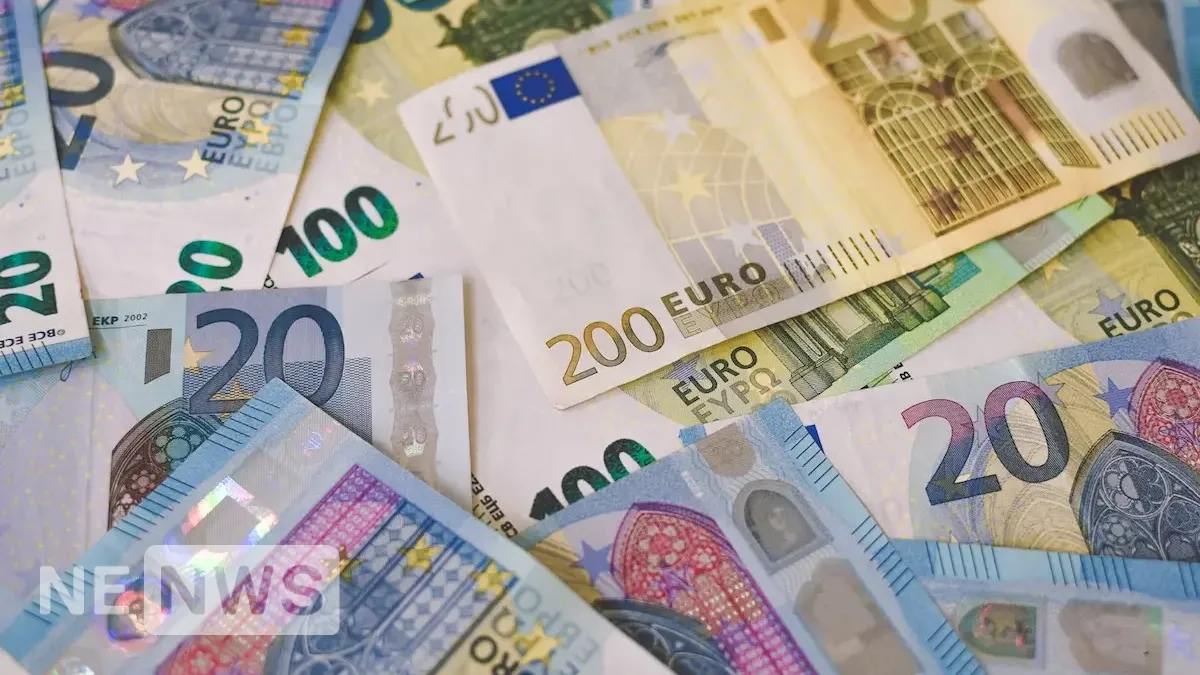
Most Ukrainians have likely held euros, the currency of the Eurozone, in their hands. Everyone notices their bright colors and appealing designs. The euro banknotes feature European architectural landmarks, fantastic bridges, and a map of Europe and euro cents are a true find for collectors. They have the same design on the reverse, but their obverses differ across countries. Let’s delve into what is depicted on each banknote, how the coins differ, and how to recognize counterfeits.
How Euro Banknotes and Coins Were Created
Euro banknotes were introduced into circulation in 2002 in denominations of 5, 10, 20, 50, 100, 200, and 500. From 2013 to 2017, the European Central Bank (ECB) released a new series of banknotes. Starting in 2018, the issuance of €500 notes was gradually phased out, although they remain legal tender as long as they are in circulation. The design of the banknotes was developed by Austrian artist Robert Kalina.
All euro banknotes share common features – the EU flag, a map with overseas territories, the ECB abbreviation, the word “euro” in Latin and Greek, and the signature of the ECB president. Each euro banknote also features a depiction of a specific example of European architecture. These illustrations represent different styles and eras. The bridges adorning the banknotes are actually fictional. They didn’t exist until 2011, when small replicas were built in the Netherlands.
Recommend that you also read: What Is Binance? A Detailed Overview of the Binance Exchange
What Each Euro Banknote Looks Like
The design of all modern euro banknotes follows a standard format, but they differ significantly in their details:
- €5 – Grey, featuring a building in the classical style.
- €10 – Red, with an arch in the Romanesque style.
- €20 – Blue, showing pointed Gothic windows.
- €50 – Orange, illustrating a building in the Renaissance style.
- €100 – Green, with a depiction of Baroque and Rococo architectural elements.
- €200 – Yellow, adorned with modern vaults.
- €500 – Purple, with an example of contemporary architecture.

How Do Euro Coins Look?
While euro banknotes are uniform in appearance across all Eurozone countries, euro coins offer an incredible variety. The reverse side is the same for all countries:
- 1, 2, 5 cents – Display a schematic globe showing Europe.
- 10, 20, 50 cents – Feature the union of countries that joined the EU.
The reverse sides also include 12 stars of the EU and the year of minting. The obverses are a true art gallery, with each country minting their national symbols, portraits of famous individuals, or reminders of significant events.
Euro coins with denominations of 1 and 2 euros have a similar reverse with the denomination number and a map of Europe. Their obverses differ across countries. These coins are distinctive due to the combination of white and yellow metals in a single coin.

How Euro Banknotes are Protected from Counterfeiting
Studying how euro banknotes look reveals specific elements of their security design:
- Raised Print: Makes the numbers, images, and words tactile.
- Watermark: Visible when held up to light.
- Security Thread: Woven into the paper with the word “euro” and the denomination, visible on €5, €10, and €20 notes.
- Microprinting: Tiny text that requires magnification to read.
- See-Through Register: Random elements that align to form the denomination number when held up to light.
- Optically Variable Ink: Changes color at different angles on the reverse of €50, €100, €200, and €500 notes.
- Holograms: On €50, €100, €200, and €500 notes, the images change depending on the viewing angle.
You may also like:


Under closer inspection with special tools, one can see:
- UV Elements: Red, blue, and green fibers within the paper, the EU flag, the ECB president’s signature, stars, and rings on the front, as well as the map, bridges, and denomination on the back glow under ultraviolet light.
- Infrared Properties: Certain images partially disappear under infrared light.
A Few Secrets Hidden by Euro Banknotes
To learn more about the features of euro banknotes and the secrets of different denominations, watch this video:
Conclusions
Euro banknotes attract foreigners with their bright design, while the coins offer diversity and uniqueness. However, they are all very practical and well-protected against counterfeiting. Although the design evolves over time, the general style remains consistent.
Frequently Asked Questions About Euro Banknotes and Coins
Does the design of euro coins and banknotes change over time?
Yes, the design is periodically updated to improve and enhance them.
Do euro banknotes differ across countries?
Yes, you can identify the country of issuance by the letter before the serial number, e.g., Austria – N, Spain – V, Germany – X.
What is the highest denomination of euro banknotes?
Currently, the highest denomination is €500, but its issuance has been discontinued, and these banknotes will gradually be withdrawn from circulation.
Why did they stop issuing €500 notes?
The issuance of €500 notes was halted to make handling large sums of cash inconvenient. Briefcases filled with money are often associated with criminals, terrorists, and bribery. Smaller denominations make these briefcases bulkier and more inconvenient.
What metals are used in 1 and 2 euro coins?
The white metal in 1 and 2 euro coins is a copper-nickel alloy, while the yellow metal is nickel brass.

 On the portal with 25.06.2023
  75 articles
  311198 переглядів
 Table of contents 
You may be interested:

The questions you can ask a guy when communicating can be different. The main thing is that they are suitable for a c...
 April 8, 2024
  140.8 K
Standing up straight, grip the dumbbells with a neutral grip and bring your hands down in front of your hips. Bend yo...
 August 5, 2023 32.6 K
Want to find someone online by their full name? This guide shows how to use a true people search finder – from social...
June 27, 2025 20.1 K
Turkish TV series have won the hearts of millions of viewers around the world by offering exciting plots, deep emotio...
April 8, 2024 15.7 K
Explore 110 authentic compliments to make a girl feel special. Find tips and phrases to compliment a girl naturally a...
July 1, 2025 14.5 K
NFTs aren’t just a trend–they’re a new way to prove ownership online. This guide breaks down what NFTs are, how they ...
July 2, 2025 10.2 K
Looking for the perfect words to add to your photo album? We’ve gathered over 70 captions for photo albums–funny, emo...
July 3, 2025 7.2 K
Today, many amateur gardeners are interested in planting blueberries and growing tall blueberries. Its delicious berr...
February 8, 2024 6.3 K
Looking to boost your income without leaving the house? From freelance gigs to content creation, this guide reveals 1...
July 4, 2025 5.5 K
Strength training at home can be done with resistance bands. They provide a functional alternative to deadlifts, squa...
August 5, 2023 5.1 K⚠️ This platform does not have a Ukrainian license. The link is provided for informational purposes only. Participation in games on such sites may violate Ukrainian law.
Expert recommendations and exclusive offers in your inbox.
Expert recommendations and exclusive offers in your inbox.
Access only for persons over 21 years of age
This section contains information about gambling and is available only to persons who are 21 years of age or older in accordance with the applicable laws of Ukraine. Please confirm that you are 21 years of age or older.
This platform does not have a Ukrainian license. The link is provided for informational purposes only. Participation in games on such sites may violate Ukrainian law.